Seborrhoeic Keratoses Brownish Moles, Basal Cell Papillomas, Seborrheic Keratosis
Seborrheic Keratoses It may be hard to tell whether the development is a keratosis, a mole, a mole, or skin cancer. Dermoscopy commonly reveals a disordered framework in a seborrhoeic keratosis, as is also real for skin cancer. Our board-certified skin specialists & PA-Cs are devoted to discovering and treating skin cancers.
- Current details keeps in mind that people just develop them as they age.
- Patients that have yet to reach their 50s are less likely to develop seborrheic keratosis than those that are over that age range.
- They are typically incorrect for growths, moles, and skin tags.
Therapy For Seborrheic Keratosis
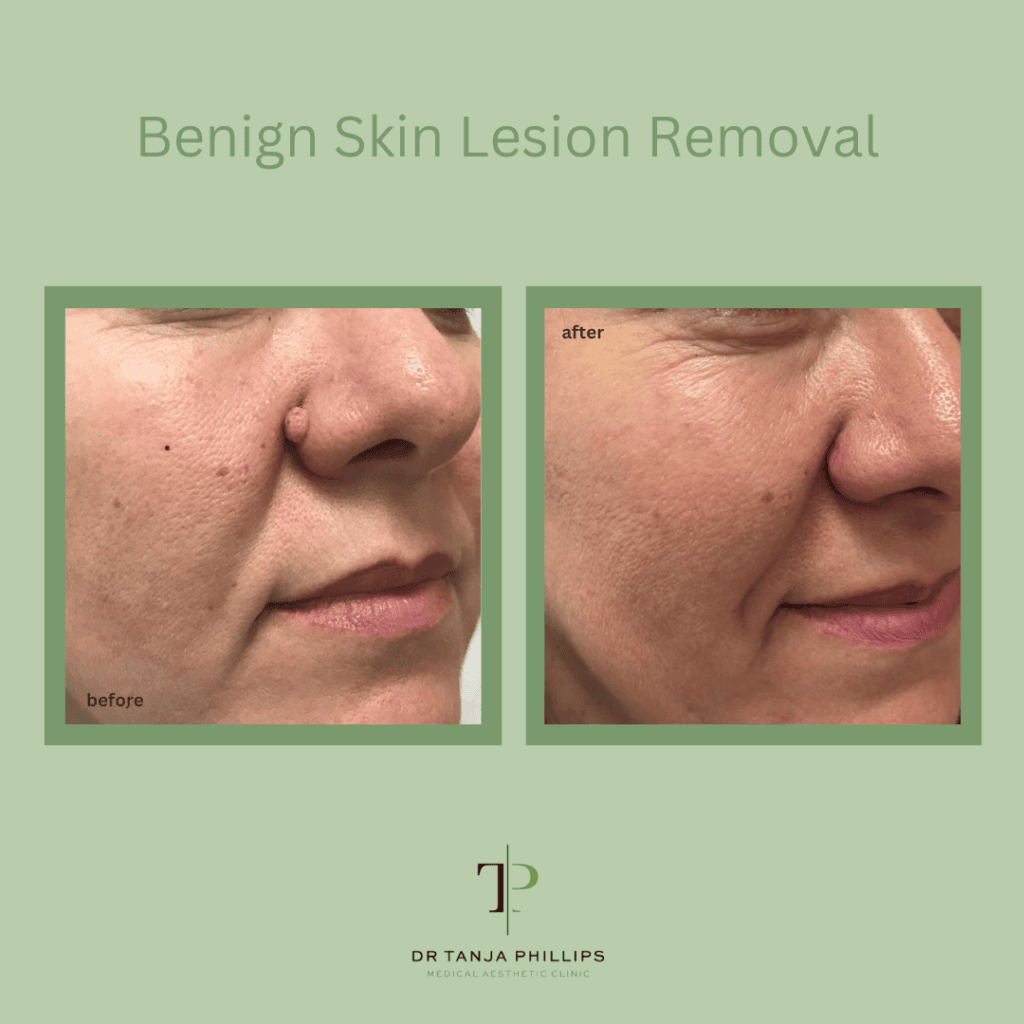
Our Mohs and Cosmetic surgery methods are incorporated, and offer clients one of the most sophisticated skin cancer therapy, delivering premium outcomes. After SK Cryopen mole removal treatment, you might see a tiny red, dark or light spot on your skin where the growth used to be. While this typically discolors with time, an irreversible light or white area is a possible side effect of SK therapy, particularly if you have a darker skin.What takes place if seborrheic keratosis is left untreated?
Seborrheic keratoses are safe and not transmittable. They do not need treatment, yet you may make a decision to have them gotten rid of if they come to be inflamed by garments or you do not such as exactly how they look.
When To Get In Touch With A Skin Specialist
They usually have a harsh and bumpy surface that falls apart conveniently, however some are smoother and even more waxy. Seborrheic keratosis may be benign (noncancerous), yet these brownish, tan, frequently big growths can trigger significant cosmetic pain. Call or schedule a visit online today to learn more. It likewise might look like a barnacle affixed to a ship. Regardless, SKs tend to have that stuck-on-the-skin appearance. Some individuals ask their skin specialist to remove SKs that are large, irritated by garments or precious jewelry, or considered unsightly. Contact your insurance company before asking your skin doctor to remove an SK, as this might be taken into consideration an elective cosmetic procedure that is not covered by your carrier. They think it could take place for a range of reasons. They hide in dark areas close to where humans sleep and usually creep out to feed while individuals are out cold. Call Dermatology & Advanced Skin Care today or routine a consultation online to read more. Whether you need recurring therapy or want to boost your appearance, we can assist. To address this problem proactively, normal skin get in touch with a skin doctor are recommended. By keeping an eye on any adjustments in the skin's condition or discovering brand-new sores early, ideal procedures can be taken if required. Normally beginning as little, harsh bumps, SKs have a tendency to eventually enlarge and create a warty surface. Many are brownish, however these growths range in color from light tan to black. Some SKs measure a portion of an inch; others are bigger than a half-dollar. They have been reported to take place in people of all ages including kids as young as age 15 years. Domestic situations of seborrheic keratosis (SK) have been explained with an autosomal dominant inheritance pattern. Anomalies of the fibroblast development element receptor 3 genetics (FGFR3) and the gene inscribing for phosphoinositide 3-kinase (PIK3CA) have been shown in SKs. In addition to a hereditary predisposition, independent threat elements consist of advancing age and ultraviolet light exposure. The classic summary of a SK is a somewhat raised papule or skin lesion (plaque) with a soft, friable, hyperkeratotic surface, or a macule with a fine granular look.